How to Break Free from Religious Trauma: 7 Steps to Spiritual Freedom
Get In Touch With James Scott
Have questions about the book or a testimony of faith to share? James Scott would love to connect!
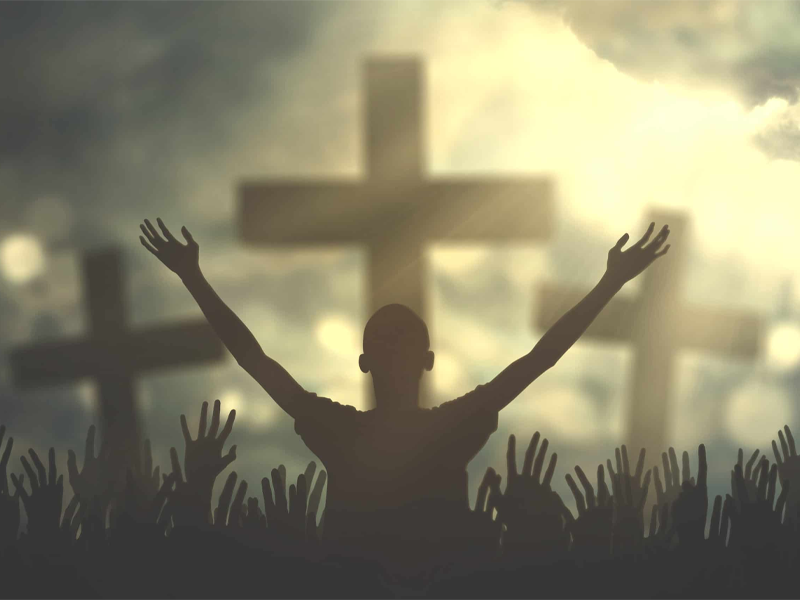
Religious teachings are meant to uplift, guide, and comfort. But for many, religion becomes a source of deep emotional pain. When faith is used to control, shame, or isolate rather than to nurture and heal, it can leave invisible wounds that last long after leaving the environment. This is called religious trauma, and it’s more common than people think.
Religious trauma can stem from experiences like spiritual manipulation, fear-based doctrine, emotional suppression, or the belief that questioning your faith equals disobedience. If you’ve ever felt unworthy, anxious, or afraid to explore your own beliefs, you may be carrying spiritual wounds. The good news is that healing is real, and freedom is possible.
Here are seven steps that can help you move from religious trauma to true spiritual freedom.
-
Acknowledge What Happened
The first and most important step is acknowledging that your pain is valid. Too often, survivors of religious trauma downplay their experiences out of fear, guilt, or loyalty to their past communities. But ignoring what happened only deepens the wound. Healing begins when you stop making excuses for harmful teachings or abusive behavior and allow yourself to feel the truth. Your story matters. What happened to you wasn’t your fault, and it was not what real faith should look like.
-
Separate God from Religious Systems
One of the hardest parts of religious trauma is separating the true nature of God from the institutions or leaders that misrepresented Him. People make religious systems, and people are flawed. Just because someone used God’s name doesn’t mean they reflected His heart. Real freedom comes when you realize that a church building, denomination, or authority figure doesn’t define God. God’s love is not performance-based. It is not manipulative. And it is never rooted in fear.
-
Permit Yourself to Question
Many who’ve experienced religious trauma were taught that asking questions is rebellious. But growth starts with curiosity. Permitting yourself to question teachings, interpretations, and traditions isn’t weakness—it’s wisdom. When you begin to explore your own understanding of truth, you create space for a healthier, more personal relationship with God. Let yourself wonder. Let yourself wrestle with what you were taught. That journey isn’t rebellion—it’s how truth is discovered.
-
Rebuild Your Identity Without Shame
Religious trauma often leaves people with a distorted sense of self. You may have been taught that you were inherently flawed, that your worth depended on obedience, or that being “good” meant silencing your needs. Healing means reclaiming your identity apart from religious shame. You are not broken. You are not a project. You are a human being—worthy of love, truth, and peace. Begin to speak to yourself with the kindness you were never given. That’s where restoration begins.
-
Find a Safe Space to Heal
Spiritual trauma thrives in silence. You don’t need to process your pain alone. Whether it’s a therapist who understands religious trauma, a support group, or a trusted friend, seek people who will honor your truth without pushing their own agenda. A safe space doesn’t demand that you return to church or pick up where you left off. It simply holds space for you to process, rebuild, and breathe again, without fear of judgment or rejection.
-
Discover New Ways to Connect with God
Spiritual freedom means finding a connection with God that brings peace instead of pressure. For some, that looks like prayer or Scripture in a new light. For others, it might be journaling, meditation, walking in nature, or serving others. There is no one-size-fits-all formula for divine connection. You don’t need permission to explore spiritual practices that align with love, peace, and grace. The goal isn’t to find the “right” ritual—it’s to find truth that restores, not restricts.
-
Let Go of Fear-Based Beliefs and Embrace Grace
One of the most damaging effects of religious trauma is fear—the fear of punishment, hell, rejection, or unworthiness. But the heart of real faith isn’t fear—it’s grace. Grace means you don’t have to earn love. Grace means you are already seen, known, and accepted. As you heal, begin replacing fear-driven beliefs with ones rooted in kindness, understanding, and spiritual wholeness. You don’t have to live under a constant cloud of guilt or condemnation. You are free to walk in peace.
Conclusion
Religious trauma is a deep wound, but it doesn’t have to define your story. You can move from fear to faith, from confusion to clarity, and from bondage to freedom. Healing won’t happen overnight, but every honest conversation, every brave question, and every step you take toward truth is part of your recovery.
You are not broken because of what happened to you. You are becoming whole by choosing to heal. You were never meant to live in fear. You were created for freedom. And that freedom starts the moment you believe there is something more than what hurt you.